Step Toward Success Buffalo
Finding the right program for someone you love can feel overwhelming. There are 55 SAMHSA-listed facilities in the Buffalo area. This page explains what Step Toward Success offers and how to compare it.
- Residential Rehab
- Co-Occurring Mental Health
- 30 days
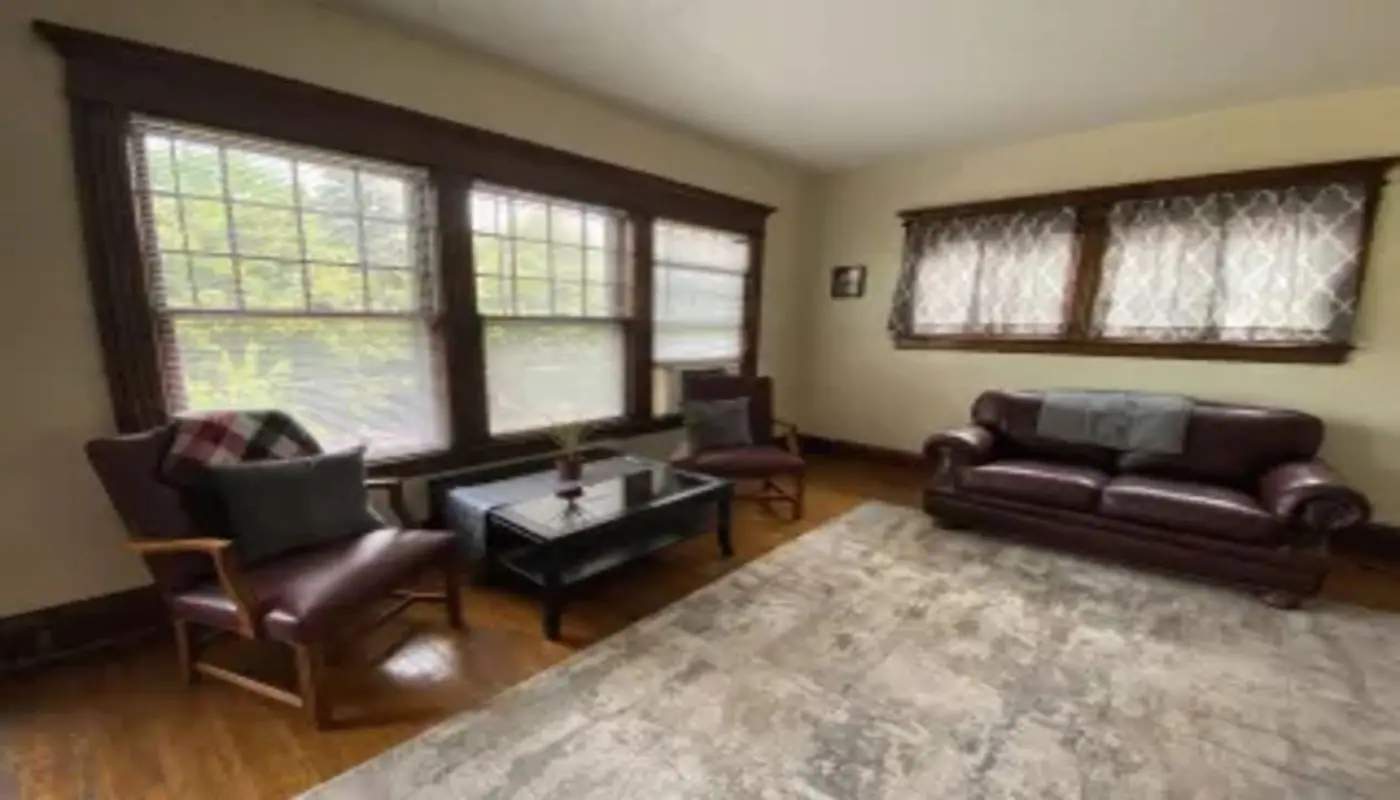
Step Toward Success Buffalo is a residential program on Main Street that serves people who have finished a more intensive level of treatment and need a stable place to live while they keep working on recovery. It has operated since 1980 and uses apartments spread through the community rather than a single institutional building. Residents of this Buffalo rehab live in peer-supported apartments with private bedrooms and shared common areas, and they work with staff to set and track personal goals.
The approach brings together peer support, group counseling, and relapse prevention planning. This residential rehab in Buffalo follows a trauma-informed model that includes family members in care, and staff use evidence-based methods along with individual treatment planning. Substance use and co-occurring disorders are treated together instead of separately. The program serves men, women, and parents with young children, and it accepts young adults too.
Because the housing is scattered across Buffalo rather than concentrated on one campus, residents practice daily routines in ordinary neighborhoods. The center describes apartments connected through a supportive peer network in Buffalo NY, with private bedrooms and common gathering areas. For families, that arrangement can be worth asking about directly: how supervision works, how often staff check in, and what a typical week looks like.
Programs at Step Toward Success Buffalo
Step Toward Success Buffalo offers residential rehabilitation for people with a substance use disorder, and co-occurring disorders are woven into the same plan. Most people stay roughly 30 days at this Buffalo treatment center, though individual needs may extend it. Therapy choices include cognitive behavioral therapy and one-on-one counseling, family therapy, group counseling, and trauma-specific therapy. Residents also receive life skills training, motivational interviewing, relapse prevention counseling, and stress management support.
Once the residential phase ends, continuing care is available through outpatient treatment, employment counseling, and mentoring or peer support. Smoking cessation support is offered as well. This Buffalo rehab provides evidence-based care with family involvement and individualized planning, and it lists alcohol, drug addiction, and co-occurring disorders among the issues it treats. If a 30-day window feels short for your situation, ask what step-down options come next.
- Life Skills
- 1-on-1 Counseling
- Individual Treatment
- Cognitive Behavioral Therapy
- Stress Management
- Group Therapy
- Trauma-Specific Therapy
- Trauma Informed
- Relapse Prevention Counseling
- Family Involvement
Who this Buffalo program is built for
- Adults who identify as men or women, including parents with young children.
- Young adults who need a structured residential setting.
- Individuals with co-occurring disorders, for instance trauma, stress, or anger concerns.
- Individuals working on alcohol or drug use who have completed a higher-intensity program.
- People who want peer support and a community-based living arrangement rather than a hospital-like setting.
A step toward success Buffalo
Housing here is scattered-site apartments across Buffalo NY rather than a single central campus, and a typical stay lasts about 30 days. Apartments include private bedrooms and shared gathering areas, and they sit close to transportation and local resources. Rooms have air conditioning. Services are provided in English. The setting suits people who are ready to live in the community while continuing recovery support. If you need a longer stay or a different level of care, ask the center directly.
Paying for Step Toward Success Buffalo
Self pay rates are displayed in the center s listing, while insurance details are not published publicly, so call to ask about coverage and what your plan would need. Before you commit, confirm whether your insurance covers residential rehabilitation here and which documents are required. If you are calling on behalf of someone you love, gather the plan details first so the call moves faster. Our helpline can help you check coverage and prepare questions at no cost to you, and speaking with us commits you to nothing.
What to ask before you enroll here
- What exactly does it cost per month, and what does the cash pay rate cover?
- Is my insurance accepted, and how do you verify benefits?
- In what ways are co-occurring disorders addressed together with substance use?
- What does family involvement look like, and how often can family visit or join sessions?
- What happens after 30 days if my loved one needs more support?

Nearby programs in Buffalo
-
- Residential Rehab
- Co-Occurring Mental Health
On Hempstead Avenue, Lighthouse Women's Residence Buffalo runs a residential program for women.
30 days
Open facility page -
Endeavor Health Services Behavioral
Buffalo, NY
- Outpatient
Endeavor Health Services Behavioral Buffalo is an outpatient clinic on Walden Avenue.
5 days
Open facility page -
- Outpatient
Horizon Health Services Hertel Recovery Center is on Hertel Avenue in Buffalo.
5 days
Open facility page -
- Outpatient
- Co-Occurring Mental Health
Family Success Center Envision Wellness WNY provides outpatient counseling at 1591 Kenmore Avenue.
5 days
Open facility page -
- Outpatient
Preston Healthcare Buffalo is an outpatient addiction treatment center.
7 days
Open facility page -
- Outpatient
- Co-Occurring Mental Health
BestSelf Behavioral Health Lower West Buffalo is an outpatient center on Niagara Street.
30 days
Open facility page
FAQ
What should families know about Step Toward Success Buffalo?
It is a residential program in Buffalo that emphasizes transitional housing after higher-intensity treatment. It has been listed since 1980 and offers peer-supported apartments for men, women, and parents with young children. The program is trauma-informed and includes family involvement. It is one of 55 SAMHSA-listed facilities in the Buffalo area, so families often compare several before deciding.
How long do most rehabs last?
Here, the usual program length is 30 days, though individual plans may differ. Stays vary widely with the level of care and insurance authorization. If you are calling for someone you love, ask the center how they decide when a resident is ready to step down. You can also ask about continuing care and outpatient options after the residential phase ends.
Does Step Toward Success accept Medicaid or private insurance?
Cash pay rates appear in the public listing, but insurance networks are not specified. Call the center to confirm whether your plan is accepted and what authorization is required. The helpline can help you gather those details at no cost, and your call stays private. Nothing is promised about coverage or admission until the center verifies your benefits.
What questions should I ask about co-occurring disorders?
Ask how the program combines mental health treatment with substance use care, and whether trauma-specific therapy is available. This center lists co-occurring disorders, trauma-specific therapy, and stress management among its services. If your loved one has a trauma history, ask what training staff have and how care is coordinated. The helpline can help you compare other Buffalo programs too.
What types of rehabs are there in Buffalo?
Buffalo has 55 SAMHSA-listed facilities covering inpatient, residential, and outpatient care, including detox and medication-assisted options. This center offers residential rehabilitation with co-occurring disorders. The right level depends on withdrawal risk, prior treatment, and daily support needs. If you are unsure which fits, the helpline can walk through the options with you.
Talk about Step Toward Success Buffalo
Trained advisors answer our helpline around the clock, at no charge, and can help you compare programs side by side, look into insurance, and write down questions. The call is free, remains private, and does not obligate you at all. We do not provide treatment ourselves and cannot diagnose. If your loved one is weighing this Buffalo rehab against other options, one conversation can help you figure out what to ask next.