Rehab locations Buffalo
You are scanning rehab locations Buffalo-wide because someone you love needs care. 55 SAMHSA-listed facilities sit within about 25 miles of downtown Buffalo as of November 2026. Here is how to sort through them calmly.
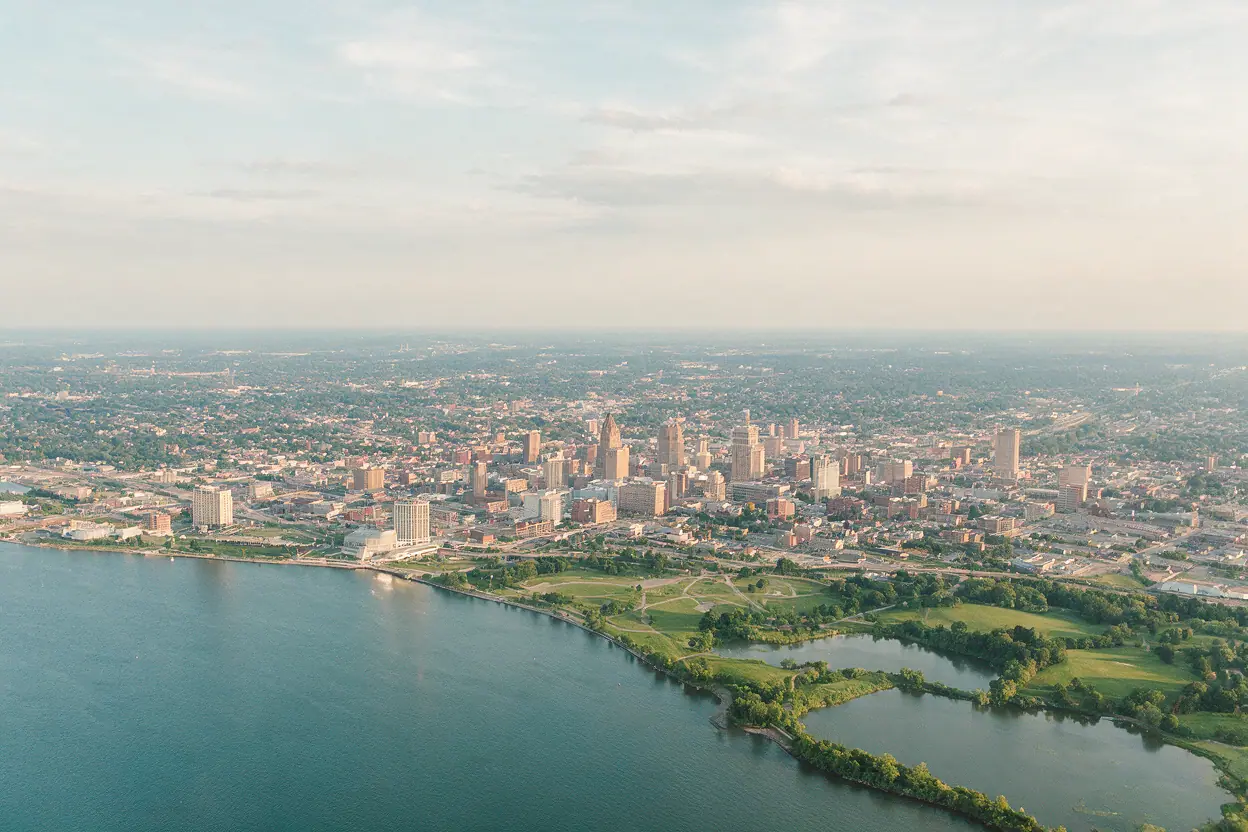
You are probably holding a phone in one hand and a list of names in the other. Fewer than you think offer detox, fewer still offer residential beds, and nearly all of them accept Medicaid. The SAMHSA listing is a starting point, not a ranking. It tells you what exists, not which one fits your brother, your daughter, or whoever you are calling about. The county-wide list of 55 rehab locations includes detox and residential care from Niagara Falls down to Orchard Park, and the mix matters more than the total.
Buffalo's treatment scene is spread across city neighborhoods and inner-ring suburbs, with a heavy concentration along the medical corridor near Grider Street and ECMC, and another cluster south toward Orchard Park. Erie County rehab centers in Buffalo NY range from inpatient hospital units to walk-in outpatient clinics that keep evening hours for people who cannot miss work. A person with a substance use disorder does not need the most famous program. They need the right level of care, a payment path that holds up, and a reasonable drive.

How Buffalo rehabs differ
What really separates these places is the services offered and how they get paid, and the SAMHSA numbers show a wide range. All 55 facilities in the search area accept Medicaid, yet medical detox or residential beds exist at only a few, so the closest rehab center may not cover everything you need. In Niagara Falls there are 8 listed facilities, including 2 with detox and 3 offering residential care, while Lockport has 5 with no detox and nothing residential at all. Just some of the 55 Buffalo NY treatment centers provide medical detox on site, and when withdrawal needs watching, the rest will send you elsewhere. That gap matters because coming off alcohol or benzodiazepines May be dangerous, and having a clinician oversee it is safer than quitting suddenly at home. Where you end up is usually decided by payment. All 55 take Medicaid, so if the person you are concerned about is enrolled in the state Medicaid program, that route is open at every facility on the list. Private insurance works differently: parity rules oblige most health plans to cover addiction treatment on terms comparable with medical care, yet network status varies from one center to the next, so ask before you assume a plan pays for a particular rehab. When a residential program is full or someone does not meet its criteria, outpatient care in Buffalo may be the practical place to start while a bed opens up. Looking at facilities in Sanborn, Orchard Park, or elsewhere around the outer ring is often how families find an available bed without giving up local support.
| Place | Programs | Detox | Inpatient rehab | Medicaid |
|---|---|---|---|---|
| Niagara Falls | 8 | 2 | 3 | 8 |
| Lockport | 5 | 0 | 0 | 5 |
| Sanborn | 4 | 0 | 4 | 4 |
| Orchard Park | 3 | 1 | 0 | 3 |
FAQ
What types of rehab locations Buffalo families consider are there?
Most of the 55 facilities listed within about 25 miles of Buffalo offer outpatient services, while a smaller subset offer residential care and medical detox. Inpatient treatment means living at the facility, while outpatient means living at home and attending visits. The SAMHSA listing lets you filter by service type, so start there and confirm directly with each center.
How long do most rehabs last?
There is no single length, and the SAMHSA listing does not publish a standard duration for Buffalo facilities. Medical detox usually comes first and can take several days under supervision, especially for alcohol or benzodiazepines, where withdrawal can be dangerous. After that, residential programs often run a few weeks, and the right duration depends on clinical need rather than a fixed number.
Who pays for inpatient rehab in Buffalo?
All 55 facilities in the Buffalo-area listing accept Medicaid, which makes it the broadest single payment path in Erie County. Private insurance may also cover residential care, and the federal parity law generally requires plans to treat addiction treatment like other medical care, but you need to confirm network status with the specific program. No one can promise coverage before that call.
How do inpatient and outpatient rehab differ?
Inpatient rehab means living at the facility for a period of weeks, while outpatient means living at home and attending visits. Of the 55 listed facilities, 8 in Niagara Falls include 2 with detox and 3 with residential care, and the rest may offer only outpatient. The level of care should match the person's needs and withdrawal risk.
What support groups are available in Buffalo, NY?
Many of the 55 SAMHSA-listed facilities offer group therapy or peer support, and some host community meetings. You can ask each center what groups they run and whether family members can attend. Support groups are often part of outpatient care, but the listing does not specify which ones are open to the public, so call ahead.
Call about Buffalo rehabs
If going through 55 listings feels like too much on a difficult day, call the helpline. Advisors are available 24/7, the call is free and remains confidential and they work with licensed providers, though they do not diagnose anyone or guarantee admission. Tell them what your loved one needs, whether detox or residential care is being considered, and what insurance you carry. Buffalo rehab locations can be narrowed with one call so you are not left guessing about gaps. Calling commits you to nothing, and you are free to hang up and think it over.