Rehab covered by insurance Buffalo
Rehab covered by insurance Buffalo starts with knowing which plans are accepted. In Buffalo, 55 facilities are listed by SAMHSA and accept private insurance. This guide explains how coverage works and what to ask.
- accept it in Buffalo
- 55
- provide detox
- 6
- inpatient programs
- 15

Insurance may cover addiction treatment, though the details hinge on your plan and how intensive the care is. In Buffalo, all 55 SAMHSA-listed facilities accept private insurance, per FindTreatment.gov listings updated in 2026. Among them, 6 offer detox, 15 offer residential, 5 offer intensive outpatient (IOP), and 38 offer standard outpatient. Buprenorphine is available at 49 of them. If your plan is a New York marketplace policy, your 2026 out-of-pocket maximum for self-only coverage is $10,600, which caps what you pay in a year. That number comes from the HHS final rule for 2026. For a family plan, the cap is $21,200. Both limits apply to in-network care, so it matters to check whether a program is in your network.
Trained advisors staff the helpline and connect callers with licensed treatment providers. Calls are free, private, and commit you to nothing. Advisors can help you work out which questions to ask your insurer and what to look for in a program. If you are unsure whether a Buffalo rehab center takes your plan, a short call to the number on this page can save hours of guessing. You do not need your insurance card in hand to start the conversation.
Tips for talking with your insurer
- Write down your plan's member services number and call with your loved one's consent. Ask specifically about behavioral health benefits and prior authorization rules.
- Before choosing a Buffalo rehab center, ask whether your insurance plan treats it as in-network and what you would pay yourself. Request that the answer be put in writing.
- If a representative tells you a service is not covered, ask for a step-by-step explanation of how appeals work. Under federal parity law, most plans generally must treat mental health and substance use benefits much as they treat medical benefits.
- If your family needs help understanding insurance for a Buffalo rehab, then use the free helpline on this page; advisors can explain terms and help you prepare questions.
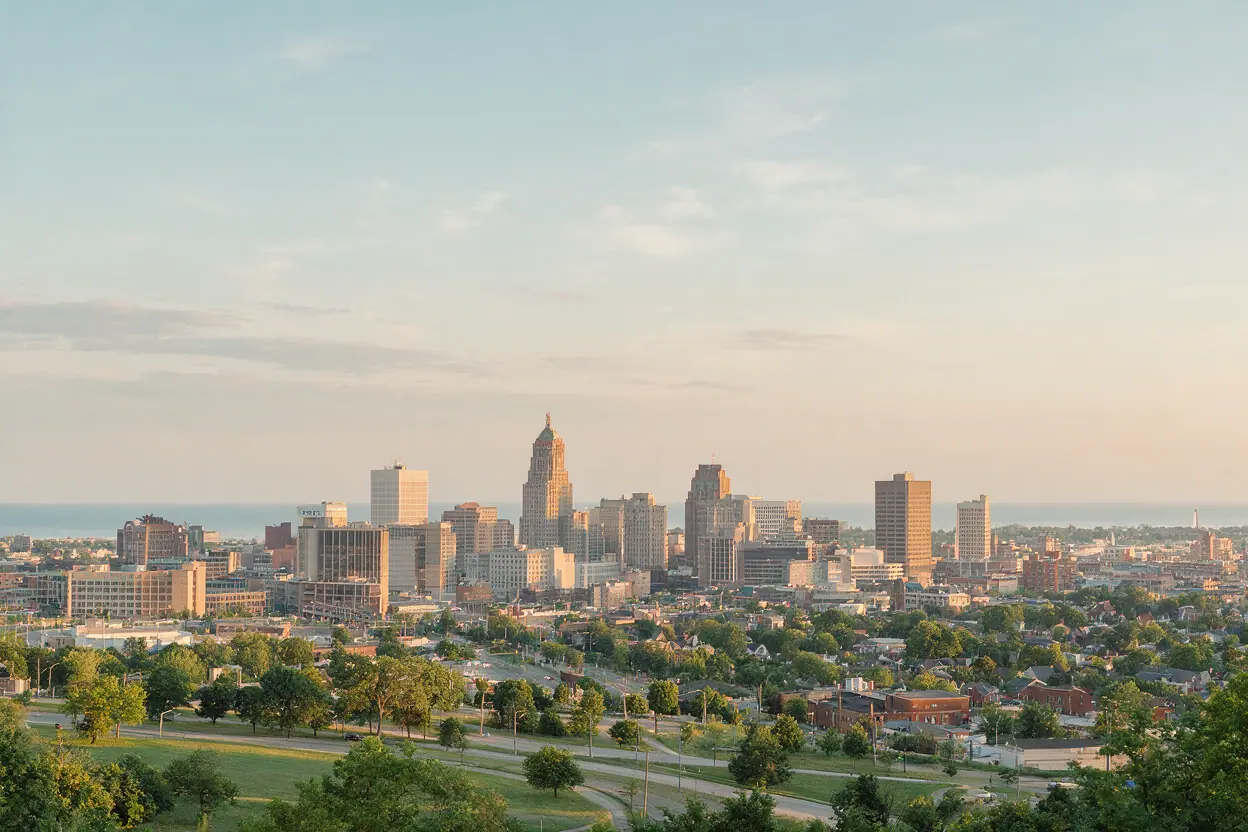

Buffalo and Erie County rehab options
Throughout Buffalo and surrounding communities, 55 SAMHSA-listed facilities accept private insurance, among them 15 residential programs and 6 detox programs. If you are looking for a Buffalo NY rehab center that provides both detox and residential care, call ahead to confirm availability, since not every facility offers both. Erie County has many kinds of services, including outpatient programs that fit around a job or school. The listings come from SAMHSA FindTreatment.gov and reflect what each facility reports about how it accepts payment.
Some people have Medicaid, which all 55 listed facilities accept. New York has adopted Medicaid expansion, per KFF's October 2026 report. That means more adults may qualify for coverage. If you are on Medicaid and looking for addiction treatment in Buffalo, then ask the facility whether they accept your specific managed care plan. Medicare is taken at 39 facilities and TRICARE at 37. For people without insurance, 24 facilities offer sliding-fee scales, and 5 offer other forms of assistance. No facility is listed as offering completely free care, so it is worth asking about payment plans.
- provide detox
- 6
- residential care
- 15
- outpatient program, high intensity
- 5
- outpatient care
- 38
| Provider | Town | Levels of care | Takes |
|---|---|---|---|
| EHS Inc | Buffalo | Outpatient | Medicaid, Medicare, Insurance, Sliding fee |
| Beacon Center | Buffalo | Outpatient | Medicaid, Insurance, Sliding fee |
| Horizon Health Services Inc | Buffalo | Outpatient | Medicaid, Medicare, Insurance |
| PROMESA Inc | Buffalo | Outpatient | Medicaid, Medicare, Insurance, Sliding fee |
| Endeavor Health Services | Buffalo | Outpatient | Medicaid, Medicare, Insurance, Sliding fee |
| DART Program COP | Buffalo | Outpatient | Medicaid, Medicare, Insurance, Sliding fee |
| Erie County Medical Center Corporation | Buffalo | Outpatient | Medicaid, Insurance |
| Spectrum Health | Buffalo | Outpatient | Medicaid, Medicare, Insurance, Sliding fee |
| Casa Di Vita | Buffalo | Residential | Medicaid, Insurance |
| Unity House | Buffalo | Residential | Medicaid, Insurance |
Using insurance for rehab in Buffalo
Check your plan's network
Ask your insurer whether the Buffalo facility is in-network. All 55 SAMHSA-listed facilities accept private insurance, but network status affects your cost. In-network care counts toward your annual out-of-pocket maximum.
Ask about the level of care
Detox, residential, and outpatient are different. In Buffalo, 6 facilities offer detox, 15 offer residential, and 38 offer outpatient. Your plan may require prior authorization for some levels, so confirm before you go.
Understand your out-of-pocket costs
For 2026, the annual out-of-pocket maximum runs 10 600 for self only coverage and 21 200 for family coverage. That caps your in-network spending across a year, though your plan may set a lower limit.
Use Medicaid or Medicare if eligible
New York has adopted Medicaid expansion, so more people may qualify. In Buffalo, all 55 listed facilities accept Medicaid, 39 accept Medicare, and 37 accept TRICARE. Ask the facility which plans they bill.

FAQ
Does insurance cover rehab in Buffalo?
Yes, many plans do. In Buffalo, 55 facilities are listed by SAMHSA as accepting private insurance. That includes 6 detox programs, 15 residential programs, and 38 outpatient programs. Coverage specifics depend on your plan, so call your insurer or a treatment advisor to verify benefits before you go. The helpline is free and confidential.
How long do most rehabs last?
How long treatment lasts depends on the level of care and each person's needs. Detox usually takes a few days up to a week, and residential programs often last 28 days or longer. Outpatient care may go on for weeks or months. Ask the facility what stay lengths are common and whether your insurance caps the number of days it will cover.
Who pays for inpatient rehab?
Private insurance, Medicaid, Medicare, and TRICARE are common payment sources. In Buffalo, all 55 listed facilities accept private insurance and Medicaid, 39 accept Medicare, and 37 accept TRICARE. Some facilities offer sliding-fee scales (24) or other assistance (5). No facility is listed as completely free, so confirm costs directly.
How do inpatient and outpatient rehab differ?
Residential, or inpatient, rehab involves 24-hour care at a facility, whereas outpatient programs involve scheduled visits. In Buffalo, 15 facilities provide residential care and 38 provide outpatient. Detox is offered at 6. The best fit depends on medical needs and the home setting, which is why a clinical assessment is important.
Why are rehabs so expensive?
Prices reflect staffing, medical oversight, therapy, and housing. Insurance may lower the amount you owe. In 2026, marketplace plans cap out-of-pocket costs at $10,600 for self-only coverage and $21,200 for family coverage. That limit applies to in-network spending, but not to every expense. Ask about payment plans and financial assistance.
Talk to someone about coverage
Trained advisors staff the free helpline and can help you work through insurance for rehab in Buffalo. They work alongside licensed providers and can suggest questions to put to your plan. Your call remains private and obligates you in no way. If you want to review your options, call now; advisors answer around the clock, 24/7.