Detox Buffalo: withdrawal support
Medical detox is supervised care for withdrawal from alcohol or opioids. In the Buffalo area, 6 detox facilities are listed by SAMHSA. This guide explains what detox involves and how to find care.
- programs in Buffalo
- 6
- take Medicaid
- 6
- take private insurance
- 6
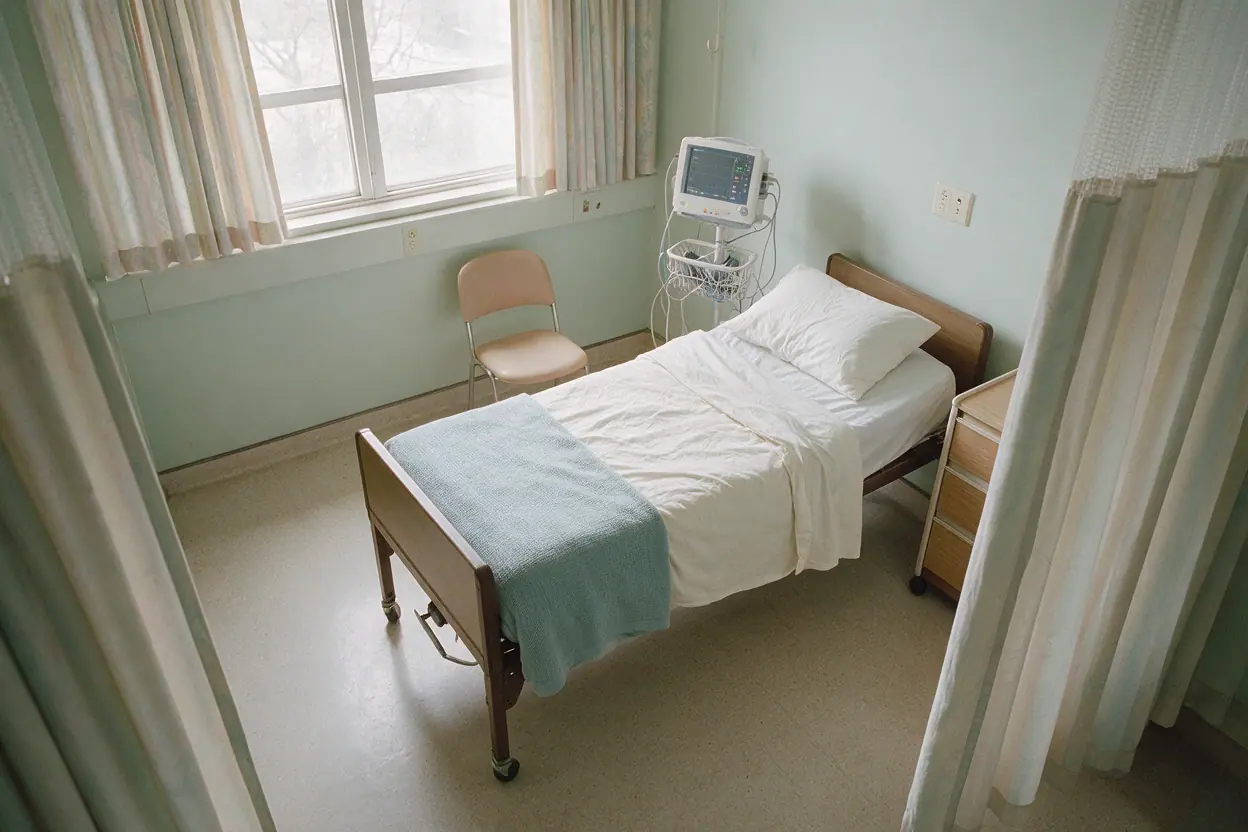
Medical detox is the first stage of treatment for many people with a substance use disorder, providing 24-hour medical supervision while the body clears a substance. It is not a stand-alone fix; it is a medically managed transition. A typical day includes vital sign checks, comfort medications as ordered, meals, and rest. Staff may include nurses and doctors, and some programs offer counseling. The goal is safety and readiness for ongoing care.
SAMHSA FindTreatment.gov lists 6 facilities offering detox services in the Buffalo area. These programs differ in their settings and services, yet all include medical monitoring. SAMHSA-listed detox programs in Buffalo provide medical supervision for withdrawal and can link you to additional treatment. Detox typically takes a few days up to a week, varying by substance and individual. Clinical oversight is particularly crucial for alcohol and benzodiazepine withdrawal, which can be dangerous. If you're assisting a family member, ask the program about the daily routine so you can get ready.

Detox facilities in Buffalo and nearby
In the Buffalo area, 6 detox facilities are listed by SAMHSA FindTreatment.gov as of November 2026. Of these, 6 accept Medicaid, 6 accept private insurance, 4 accept Medicare, and 2 offer sliding-fee scales. The 6 detox facilities in Buffalo accept Medicaid and private insurance for medically supervised withdrawal. Three offer telehealth, four offer dual-diagnosis care, and none list Spanish-language services. These are listings, not endorsements; call to confirm coverage and availability.
Erie County is part of New York's Medicaid expansion, so many people with low incomes may qualify for coverage. If you have Medicaid, then detox at these facilities may be covered, but verify with the program. The listings do not guarantee admission or payment. When you call, ask about bed availability, intake times, and what to bring. It also helps to ask whether the program can coordinate with your outpatient provider after discharge.
- take Medicaid
- 6
- take private insurance
- 6
- take Medicare
- 4
- offer a sliding scale fee
- 2
| Provider | Town | Levels of care | Takes |
|---|---|---|---|
| Erie County Medical Center Corp MMD | Buffalo | Detox, OTP | Medicaid, Medicare, Insurance |
| Palmerton Place | Buffalo | Detox, Residential, Outpatient | Medicaid, Medicare, Insurance, Sliding fee |
| Abbott Corners Addiction Srvs | Orchard Park | Detox, Outpatient | Medicaid, Medicare, Insurance, Sliding fee |
| First Step Center | Niagara Falls | Detox, Residential | Medicaid, Insurance |
| Northpointe Council Inc | Niagara Falls | Detox, Residential | Medicaid, Insurance |
| Terrace House | Buffalo | Detox, Residential | Medicaid, Medicare, Insurance |

Who medical detox is for
- People who are physically dependent on alcohol and risk dangerous withdrawal symptoms. Medical supervision is important for alcohol detox.
- Those withdrawing from opioids, benzodiazepines, or other substances where medical support improves safety and comfort.
- Individuals who have tried to stop on their own and experienced severe withdrawal or cravings.
- People entering inpatient or residential rehab who need to complete detox first. Some programs require detox before admission.
Paying for detox in Buffalo
Among the 6 Buffalo detox facilities, all take Medicaid and private insurance, 4 take Medicare, and 2 offer sliding-fee scales. Since New York expanded Medicaid, many low-income adults may qualify. Under federal parity law, many plans must cover treatment for substance use much as they cover other medical care. Even so, confirm benefits with your insurer and the facility. If you have no coverage, ask about self-pay options and sliding fees.
What to expect during detox
Assessment and intake
Staff evaluate your medical history and withdrawal risk. This includes vital signs and a substance use history. They may ask about prior withdrawal experiences and mental health conditions. If you have used alcohol or benzodiazepines heavily, then tell them, because those withdrawals can be dangerous and may need closer monitoring.
Monitoring and support
You receive 24-hour monitoring. Nurses check vital signs regularly. Medications may be used to ease withdrawal symptoms, always under medical direction. Do not self-medicate. If symptoms feel overwhelming, then tell staff right away so they can adjust your care. Comfort measures and rest are part of the plan.
Transition to ongoing care
Once withdrawal has stabilized, staff help you plan what comes next. That might be inpatient rehab or outpatient counseling. If a particular level of care is required, ask about referrals early. Buffalo's 6 detox facilities can link you with local programs, though admission is never guaranteed. Planning ahead helps limit gaps in care.
Aftercare planning
Before discharge, you receive a plan for continued treatment. This may include therapy, medication, or support groups. Follow-up helps maintain progress. If you are returning home, then ask about outpatient appointments and family involvement. A written plan can make the transition easier for everyone.
FAQ
What is detox Buffalo and how does it work?
Detox Buffalo refers to medical detox services in the Buffalo area, where 6 facilities are SAMHSA-listed. These programs provide 24-hour medical supervision during withdrawal. Staff monitor vital signs and may use medications to ease symptoms. Detox is followed by ongoing treatment such as inpatient rehab or outpatient counseling. The goal is a safe withdrawal and a clear plan for the next level of care.
How long does detox last?
Detox typically runs a few days to a week. How long exactly depends on the substance, how long it was used, and your health. Quitting quitting benzodiazepines or alcohol suddenly carries genuine medical danger and may call for longer supervision. Buffalo's 6 detox facilities can give a specific estimate after an assessment. When you call, ask about their usual timeline so you can plan.
Does Medicaid cover detox in Buffalo?
According to SAMHSA listings, all 6 detox facilities in Buffalo accept Medicaid. New York has expanded Medicaid, so more people may qualify. Coverage details vary, so confirm with the facility and your Medicaid plan before admission. If eligibility is unclear, the helpline can help you understand the basics, but final answers come from the program and your insurer.
Can I go to detox without insurance?
Two of the 6 Buffalo detox facilities offer sliding-fee scales, and others may offer self-pay options. Costs vary. Call the facility to ask about fees and payment plans. The helpline can also help you find options. When you call, ask what documentation you need and whether a payment plan is available, so you are not caught off guard.
What should I bring to detox?
Bring comfortable clothing, personal hygiene items, and a list of medications. Leave valuables at home. Each facility has its own rules, so ask when you call. The 6 area programs can provide a checklist. It also helps to bring your insurance card and photo ID. If you take prescribed medications, tell staff so they can manage them safely.
How do I find a detox facility in Buffalo?
You can start with the 6 SAMHSA-listed detox facilities in the Buffalo area. Use FindTreatment.gov or call our free 24/7 helpline. Advisors can help you compare programs, check insurance, and understand what to expect. They can also tell you which programs offer dual-diagnosis care or telehealth. There is no obligation to call.
Get help finding detox in Buffalo
Call our free, confidential helpline any time, day or night. Treatment advisors can help you understand the 6 detox facilities in the Buffalo area and what they accept. There is no obligation and no cost to call. They can also connect you with inpatient or outpatient programs if detox is not the right fit.