Intensive outpatient program Buffalo
An intensive outpatient program Buffalo families can reach offers several hours of therapy weekly. Of the 55 treatment facilities listed near Buffalo, 5 provide IOP. That schedule lets someone keep living at home while getting more support than a weekly visit.
- programs in Buffalo
- 5
- take Medicaid
- 5
- take private insurance
- 5
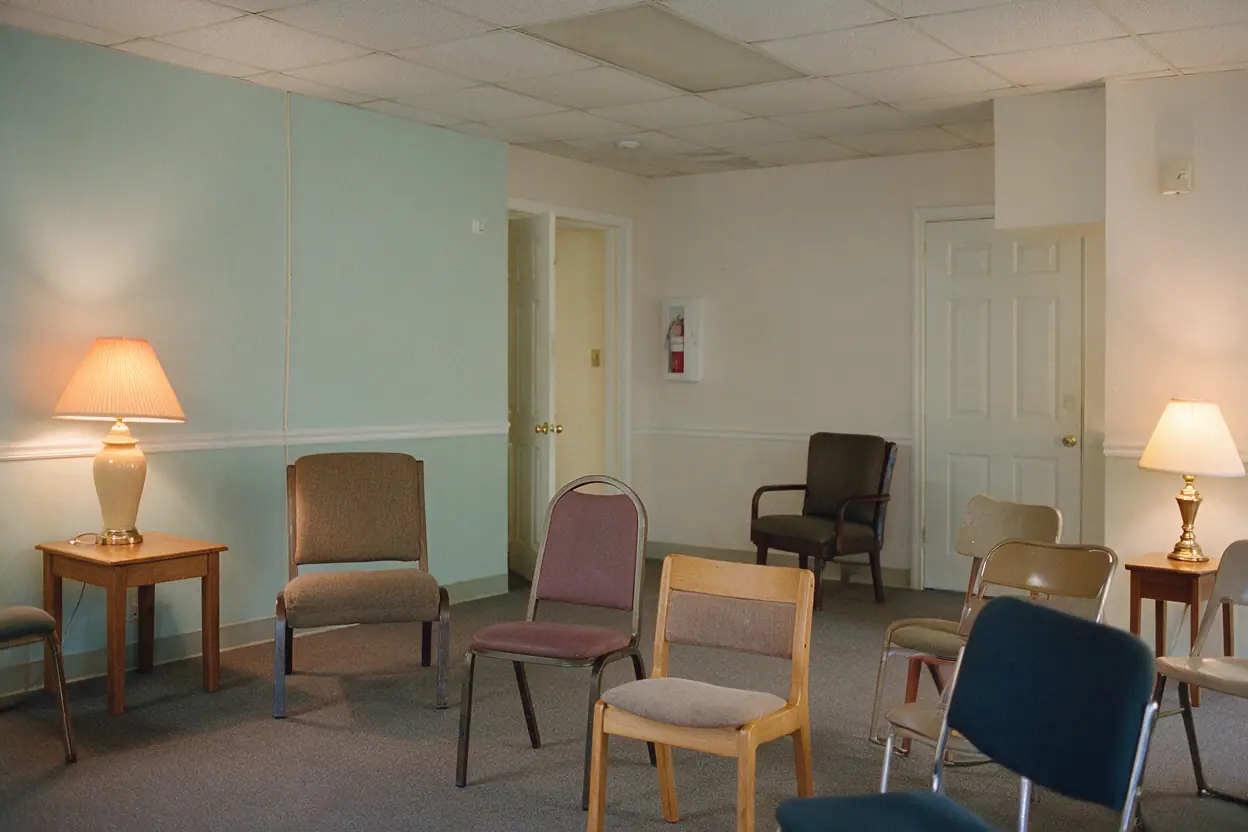
An intensive outpatient program in Buffalo is a middle level of care, usually several hours of group and individual therapy on several days each week. The team may be a mix of counselors and clinicians, and many programs run morning, afternoon, or evening blocks so people can hold a job or stay with family. Buffalo IOP programs sit between weekly outpatient counseling and round-the-clock residential rehab care at 5 listed sites, which matters if someone has finished detox and needs steady follow-up.
A usual week brings group sessions on substance use, coping skills, and relapse prevention, along with at least one one-on-one counseling session. Certain formats add family sessions or psychiatric check-ins, and all 5 Buffalo-area IOP facilities report dual diagnosis capability. Staff generally review progress every week or two, and if someone needs more support they may move up to inpatient or residential treatment, offered by 15 programs in the area. If a person still drinks heavily or uses benzodiazepines, a medical team should watch over things before any program begins, because withdrawal can be dangerous.

Intensive outpatient program Buffalo
Five facility listings within about 25 miles of Buffalo offer intensive outpatient care, according to SAMHSA FindTreatment.gov as of November 2026. That is 5 of the 55 drug and alcohol treatment listings for the Buffalo NY area that SAMHSA compiles, alongside 15 inpatient and residential rehab programs and 38 outpatient rehab programs. Because IOP slots are limited, calling a few programs early can help you learn about wait times and scheduled start dates.
Payment often decides where someone can go. All 5 intensive outpatient facilities listed near Buffalo accept Medicaid, private insurance, and Medicare, and 1 also reports a sliding fee scale. New York adopted Medicaid expansion, so many adults with lower incomes may qualify. Every one of the 5 Buffalo IOP centers accepts Medicaid, Medicare, and private insurance, so cost is rarely the whole story. If cost is the obstacle, then ask each program about sliding fees before ruling it out, and confirm the level of care in writing, since a listing does not guarantee a bed or coverage.
- take Medicaid
- 5
- take private insurance
- 5
- take Medicare
- 5
- offer a sliding scale fee
- 1
| Provider | Town | Levels of care | Takes |
|---|---|---|---|
| Horizon Health Services Inc | Buffalo | IOP, Outpatient | Medicaid, Medicare, Insurance |
| Endeavor Health Services | Buffalo | IOP, Outpatient | Medicaid, Medicare, Insurance, Sliding fee |
| Horizon Health Services Inc | Tonawanda | IOP, Outpatient | Medicaid, Medicare, Insurance |
| Horizon Health Services Inc | Niagara Falls | IOP, Outpatient | Medicaid, Medicare, Insurance |
| Lockport Recovery Center | Lockport | IOP, Outpatient | Medicaid, Medicare, Insurance |

Who intensive outpatient helps most
- People stepping down from medical detox, who need daily structure while their body and routine stabilize.
- Someone with a substance use disorder who needs addiction treatment in Buffalo without leaving home or a steady job.
- People with mild to moderate withdrawal risk who do not need 24-hour monitoring, or who have already completed withdrawal management.
- Those who need both mental health care and addiction treatment, since all 5 local IOP programs report dual diagnosis services and all 5 offer telehealth.

Ways to cover intensive outpatient
All 5 intensive outpatient programs listed near Buffalo accept Medicaid, private insurance, and Medicare, and 1 reports a sliding fee scale for people paying out of pocket. Federal parity law generally means many plans must cover substance use treatment much like other medical care, though details differ from plan to plan. For Medicaid, ask if prior authorization is needed, because some plans require a clinical review before sessions start. Calling the helpline is free and places you under no commitment, and advisors can help you compare what each Buffalo rehab takes.
What happens when you call about an IOP
A short screening
Staff ask about substances used, how much and how often, prior treatment, and any mental health conditions. Honest answers help them recommend the right level of care, especially when withdrawal risk is unclear. This first call to a Buffalo addiction treatment center carries no cost or commitment on your part.
An insurance and payment check
The program verifies Medicaid or private coverage and explains what you would owe. Ask for the total cost in writing, including any intake fee, and ask whether a sliding fee applies.
A level-of-care recommendation
They may suggest IOP, standard outpatient, or residential treatment depending on needs. When serious withdrawal symptoms are present, medical detox comes first at one of 6 Buffalo facilities before any therapy schedule begins, since alcohol and benzodiazepine withdrawal can be risky without supervision.
A start date and schedule
You learn how many days and hours each week, and whether telehealth is available. All 5 local IOP programs report telehealth, which helps if transportation or work schedules are tight. If the drive into Buffalo is hard, then ask about virtual groups before you turn a program down.
FAQ
What is an intensive outpatient program in Buffalo?
It is a structured level of care with several hours of therapy each week, usually group sessions plus individual counseling, while the person lives at home. Five facilities near Buffalo list intensive outpatient services with SAMHSA, and all 5 accept Medicaid, private insurance, and Medicare.
How long do most rehabs last?
Length varies by level of care. Inpatient and residential programs commonly run several weeks, while an intensive outpatient program tends to last longer at fewer hours per week. The 5 local IOP programs set their own schedules, so ask each one how many weeks they expect and whether insurance limits the number of sessions.
Where can I find group therapy in Buffalo, NY?
Group therapy is a core part of intensive outpatient care, and all 5 IOP facilities listed near Buffalo include it. All 5 also offer telehealth, which can make evening groups easier to attend. Community support groups are another option alongside treatment, so ask a program what it recommends.
Does Medicaid cover an intensive outpatient program in Buffalo?
All 5 intensive outpatient programs listed near Buffalo accept Medicaid, and New York adopted Medicaid expansion, so many adults with lower incomes may qualify. Coverage rules and prior authorization still vary, so confirm with the program and your plan before the first session.
What is the difference between inpatient and intensive outpatient rehab?
Inpatient and residential rehab provide 24-hour supervision and housing, and 15 facilities near Buffalo list that level of care. Intensive outpatient keeps people at home and is a good step down after detox or residential treatment when daily structure is still needed but round-the-clock care is not.
When should someone choose detox before intensive outpatient care?
Where withdrawal from alcohol or benzodiazepines is likely, a medical team should watch over care from the start, since those withdrawals can be dangerous. Six facilities near Buffalo list medical detox. Once withdrawal is managed, a program can help determine whether intensive outpatient or another level fits, and nobody should taper on their own without medical guidance.
Talk with someone about IOP options
Calling about someone close to you means you can ask which 5 intensive outpatient programs are listed near Buffalo, what each one takes, and if telehealth is offered. **The Buffalo rehab helpline is free to call, keeps things private, and commits you to nothing**, and advisors linked with licensed providers pick up around the clock. They can't promise admission or coverage, but they can help you prepare questions and learn about levels of care before you contact a program yourself.